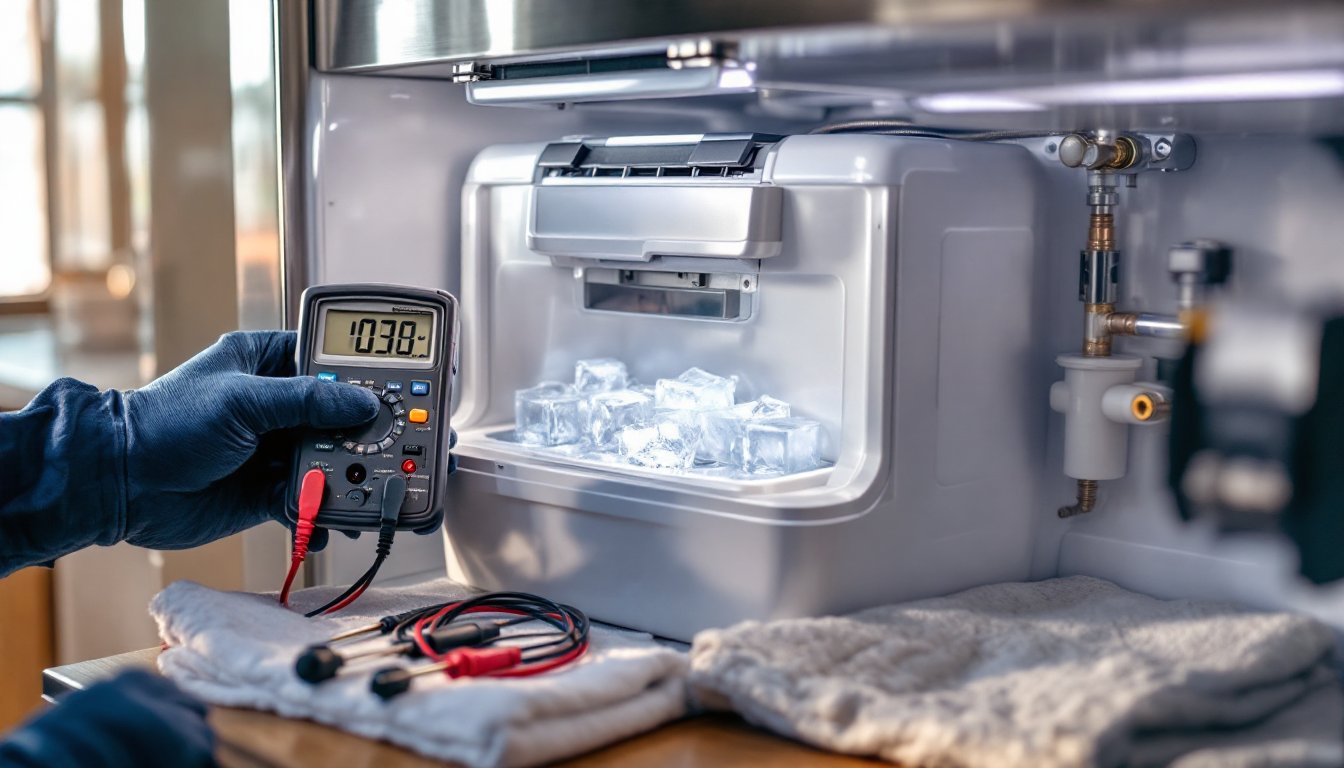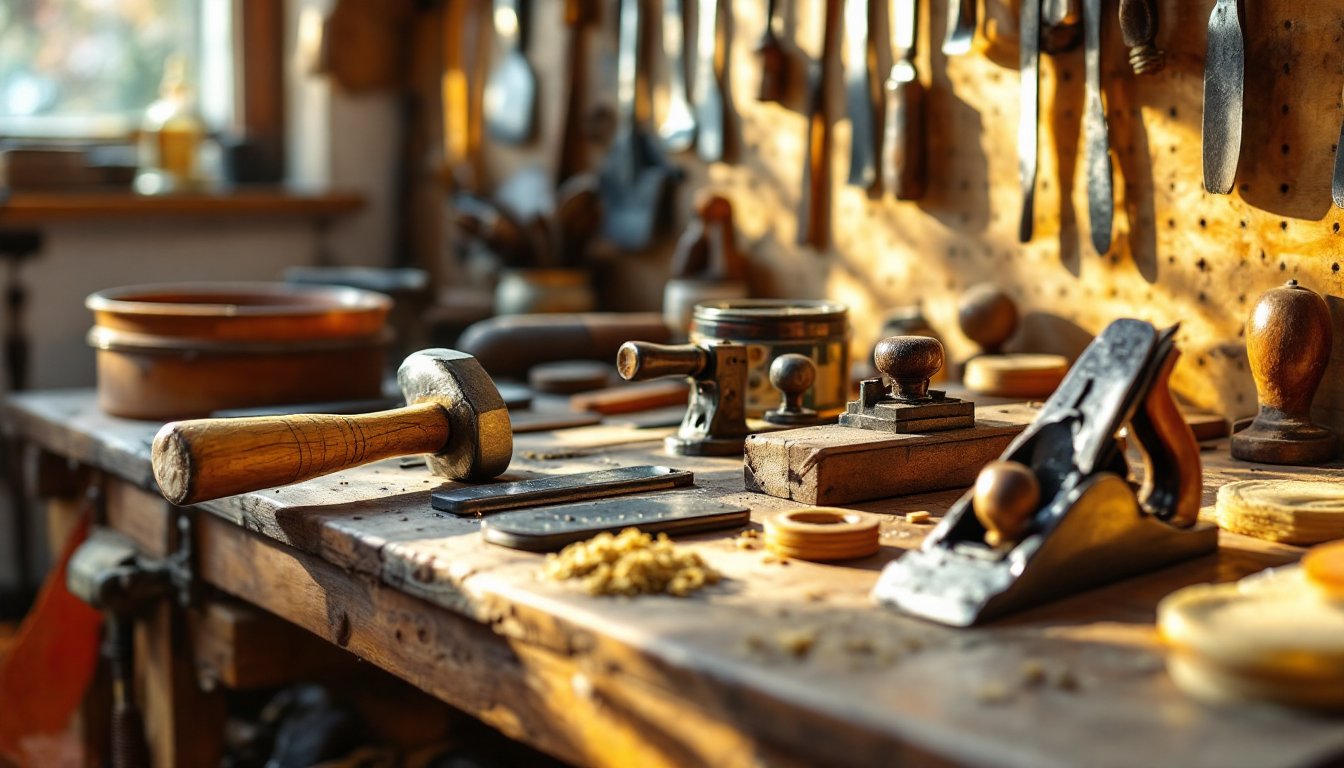
A well-maintained hand tool outlasts flashy power equipment every time. But years of use take their toll, handles loosen, edges dull, and grips crack. The good news? Most hand tool damage is fixable at the workbench with basic supplies and a little patience. Instead of tossing that favorite chisel or hammer, learning to repair hand tools saves money, reduces waste, and keeps trusted tools in rotation. This guide walks through diagnosing common problems, stocking the right repair materials, and executing reliable fixes for the hand tools that earn their keep in any workshop.
Table of Contents
ToggleKey Takeaways
- Repairing hand tools instead of replacing them saves money, extends tool life by decades, and reduces waste while improving workshop performance.
- Most common hand tool problems—loose handles, dull edges, bent components, and worn grips—are diagnosable and fixable with basic supplies and patience.
- Hand tool repair requires stocking essential supplies like replacement handles, whetstones, penetrating oil, epoxy, and safety gear to handle mid-project fixes efficiently.
- Proper handle fitting for hammers, axes, and mauls involves test-fitting the replacement, using wedges for security, and sealing wood with linseed oil to prevent future loosening.
- Sharpening chisels, planes, and scrapers requires flattening the back, establishing a precise bevel angle with a honing guide, and progressively refining on finer grits until the edge shaves hair cleanly.
- Screwdrivers, pliers, and wrenches can be restored by regrinding tips, cleaning rust with steel wool, and replacing worn grips with heat-shrink tubing or contact cement for renewed durability.
Why Repairing Hand Tools Is Worth Your Time and Money
Quality hand tools don’t come cheap. A decent set of chisels runs $60 to $150, and premium bench planes can hit $200 or more. When a handle splits or an edge chips, replacement feels like the easy route, but it’s rarely the economical one.
Repairing extends tool life by years, often decades. Vintage tools from the mid-20th century still outperform budget imports because their steel quality and construction are superior. A $15 handle replacement and an hour of work beats buying new every time. Plus, rebuilt tools perform better than worn ones, improving accuracy and reducing user fatigue.
There’s also the sustainability angle. Landfills don’t need more steel and hardwood. Repairing what you own keeps functional materials in service and teaches practical skills that translate across workshop tasks. Once someone knows how to fit a hammer handle, they understand wedges, grain orientation, and mechanical fit, knowledge that applies to furniture repair, carpentry, and general repair maintenance.
Finally, repaired tools just work better. A freshly sharpened plane blade slices end grain cleanly. A re-handled hammer balances correctly and doesn’t telegraph shock into the wrist. These aren’t minor improvements, they’re the difference between finishing a project and fighting your equipment.
Common Hand Tool Problems and How to Diagnose Them
Most hand tool failures fall into a few categories: loose handles, dull or damaged edges, bent components, and worn grips. Knowing what to look for speeds up diagnosis and repair planning.
Loose or broken handles are the most common issue. Hammer and axe heads wobble when the wood shrinks or the wedge fails. Check by gripping the handle and twisting the head, any movement means the fastening has failed. Wooden handles also split from over-striking or poor grain alignment. Inspect for hairline cracks running parallel to the grain, especially near the head.
Dull cutting edges show up as torn fibers instead of clean cuts (chisels, planes) or require excessive pressure (scrapers, drawknives). Run a thumbnail across the edge: a sharp tool catches and cuts, while a dull one slides without resistance. Chips or rolls in the edge are visible under good light and indicate either impact damage or steel that’s lost its temper.
Bent or misaligned components appear in adjustable wrenches, pliers, and screwdrivers. Wrench jaws that don’t close parallel won’t grip fasteners evenly. Pliers with sprung joints feel sloppy and lose leverage. Screwdriver tips that are rounded or chipped slip out of screw heads and damage fasteners.
Worn grips and corrosion degrade usability. Rubber or plastic handles crack from UV exposure and solvents. Metal surfaces develop rust that pits the steel and creates sharp edges. Surface rust (orange, powdery) wipes off easily, but deep pitting (black, flaky) compromises structural integrity. If a tool bends under normal use, the steel may be fatigued and unsafe to repair.
Essential Supplies and Materials for Hand Tool Repair
Stocking a repair kit prevents mid-project trips to the hardware store. Most supplies are inexpensive and serve multiple tools.
For handle replacement and fitting:
- Replacement handles in hickory or ash (sold by tool type: hammer, axe, hatchet)
- Steel wedges and wooden glut wedges
- Linseed oil or tung oil for sealing wood
- Wood rasp and rattail file for fitting
- Sandpaper (80, 120, 220 grit)
For sharpening and edge work:
- Combination whetstone (1000/6000 grit) or diamond plates
- Honing guide for consistent bevel angles
- Light machine oil or water (depending on stone type)
- Wire brush or brass brush for cleaning
- Rust remover (citric acid, Evapo-Rust, or naval jelly)
For metal repairs and adjustments:
- Penetrating oil (PB Blaster, Liquid Wrench)
- Steel wool (fine and medium grade)
- Small ball-peen hammer for peening rivets
- Bench vise with soft jaws (or wood blocks)
- Replacement fasteners (screws, bolts, pins)
For grip and handle restoration:
- Two-part epoxy
- Heat-shrink tubing or grip tape
- Contact cement for rubber grips
- Acetone or denatured alcohol for cleaning
Safety gear isn’t optional. Wear safety glasses when striking metal or using wire wheels. Use nitrile gloves when handling solvents, oils, and rust removers. A dust mask is essential during heavy grinding or sanding. These basics cover most repairs without requiring specialty equipment, though access to a bench grinder speeds up edge work significantly. Many workshop tool setups already include these items.
Step-by-Step Repair Guide for Popular Hand Tools
Fixing Hammer Handles and Loose Heads
A loose hammer head is dangerous, it can fly off mid-swing. Don’t use it until it’s fixed.
-
Remove the old handle. Clamp the head in a vise (protect jaws with wood blocks). Saw off the handle flush with the top of the head, then drive out the remaining wood using a punch and hammer. Drill out stubborn pieces.
-
Fit the new handle. Most replacement handles come oversized. Test-fit the handle into the head’s eye (the oval hole). Mark high spots with a pencil, then remove wood with a rasp or coarse sandpaper. The fit should be snug for the top two-thirds, then taper slightly. Don’t force it, wood compresses and cracks under pressure.
-
Seat the head. With the handle standing upright (business end down), slide the head onto the handle. Tap the bottom of the handle against a solid surface to drive the head down. It should sit about 1/8 inch below the top of the handle.
-
Install the wedge. Most hammers use a steel wedge driven into a saw kerf (slot) at the top of the handle. If there’s no kerf, cut one with a handsaw to about half the depth of the head’s eye. Drive the wedge straight and flush. For extra security, add a cross wedge (perpendicular to the first) or use wooden glut wedges on the sides.
-
Trim and finish. Saw off any protruding wood, sand the top smooth, and apply two coats of linseed oil to seal the wood. Let it cure for 48 hours before use.
This same process works for axes, hatchets, and mauls. Just ensure the wedge is proportional to the tool, larger heads need bigger wedges. If the handle feels loose after a few months, the wood may have dried further: drive the wedge deeper or add a supplemental one.
Sharpening and Restoring Chisels, Planes, and Scrapers
Dull edge tools make clean work impossible. Sharpening techniques vary slightly by tool, but the principle is consistent: establish the bevel, refine it, then polish.
-
Clean the tool. Remove rust and gunk with steel wool and penetrating oil. For heavy rust, soak the blade in citric acid solution (1 tablespoon per cup of water) for 12–24 hours. Scrub with a brass brush, rinse, and dry thoroughly.
-
Flatten the back. Place the blade flat on a 1000-grit stone and work it in figure-eight motions until the back is uniformly polished with no scratches. This step is critical, only the last 1/2 inch near the edge needs to be dead flat, but that section must be perfect.
-
Establish the primary bevel. Most chisels and plane blades use a 25° to 30° bevel. Use a honing guide to maintain the angle. Start on the 1000-grit stone with light oil or water. Push the blade away from you, applying even pressure. Lift on the return stroke. Work until you feel a burr (a tiny wire edge) on the back.
-
Refine on finer grit. Move to 4000 or 6000 grit and repeat the process. The burr will get smaller. After the final grit, remove the burr by laying the blade flat on the stone and making a few light passes.
-
Test sharpness. A properly sharpened edge shaves hair off your arm or slices paper cleanly with no tearing. If it doesn’t, return to the coarse stone and check your angle.
Scrapers (card scrapers, cabinet scrapers) need a burr to function, created by burnishing. After filing the edge square, use a burnisher (a hardened steel rod) to roll a tiny hook along the edge. This hook does the cutting. Scrapers dull quickly but re-burnish in seconds.
Plane blade setup includes checking the chipbreaker fit and ensuring the blade seats properly in the frog. A gap between chipbreaker and blade clogs with shavings. Skilled woodworkers working with bench tools know that blade projection and lateral adjustment matter as much as sharpness.
Repairing Screwdrivers, Pliers, and Wrenches
These tools fail from wear, corrosion, and abuse (using pliers as a hammer, for example).
Screwdriver tip restoration: Rounded or chipped tips slip and strip screw heads. Regrind the tip on a bench grinder or with a file. For flat-head drivers, the tip should be square, flat, and parallel, not tapered or rounded. Match the tip width to common screw sizes. For Phillips heads, file away mushroomed edges, but don’t sharpen to a point: the tip should fit snugly in the screw recess. Let the metal cool frequently to avoid losing temper (overheating turns steel blue and soft).
Pliers and wrench jaws: Surface rust cleans up with steel wool and oil. Deep rust pitting that affects grip can sometimes be smoothed with a file, but if jaws don’t meet evenly, the tool is compromised. Adjustable wrenches with sloppy worm gears can sometimes be tightened by peening (lightly hammering) the rivet, but this requires care, over-peening seizes the mechanism.
Handles and grips: Cracked rubber or plastic grips trap moisture and cause corrosion. Remove them by slicing lengthwise with a utility knife. Clean the metal with acetone, then apply new grips with contact cement or slide on heat-shrink tubing and apply heat with a heat gun. For wooden handles, sand smooth and seal with tung oil or apply grip tape for better purchase.
Stripped fasteners and broken parts: If a screwdriver or wrench has a riveted handle and the rivet fails, it’s often cheaper to replace the tool unless it’s vintage or high-quality. But, many modern tools use replaceable pins or screws, check for set screws or roll pins that can be driven out and replaced. Inspect any mechanical tool repairs for structural integrity before putting them back into service.
For comprehensive fixes on other common issues, resources like DIY tool repair guides and hand tool maintenance practices provide additional techniques. Some repairs, like rewelding broken striking tools, require professional equipment and aren’t safe for DIY. Know when to restore and when to retire.
One final note: keep fasteners organized. Small screws, pins, and washers vanish easily. Use a magnetic tray or muffin tin to hold parts during disassembly, and photograph complex tools before taking them apart. Reassembly becomes guesswork without a reference, especially on multi-part tools like hand drills or multi-bit screwdrivers.