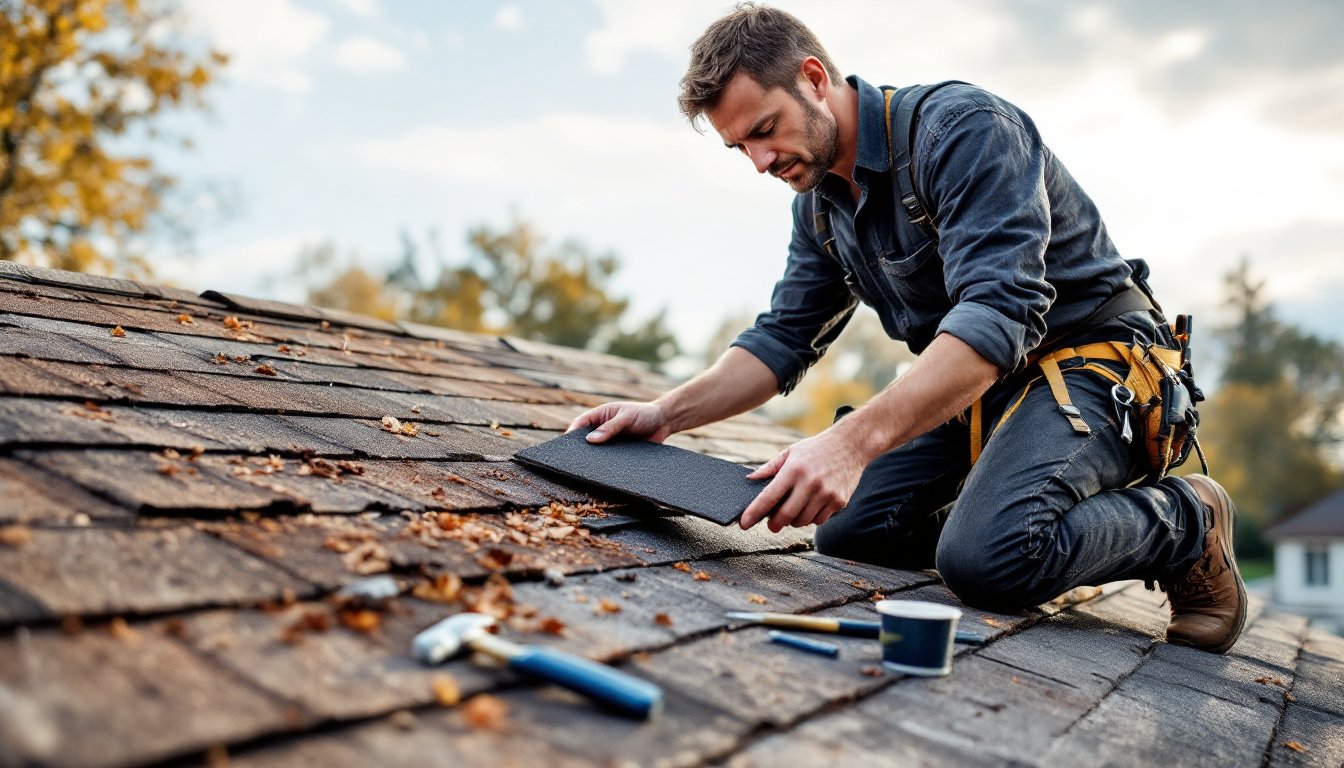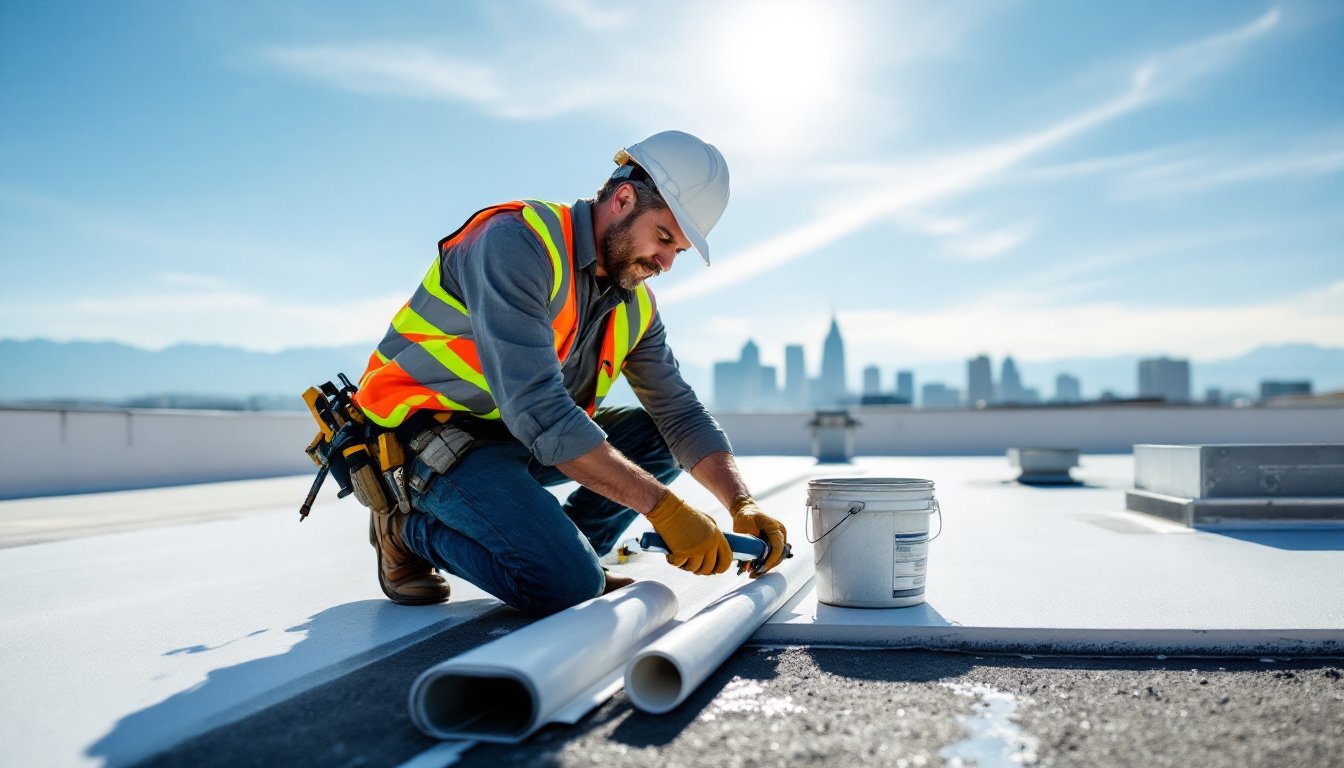
Flat roofs are workhorses in Denver’s commercial and residential landscape, but they take a beating from intense UV exposure, hailstorms, and freeze-thaw cycles. Unlike pitched roofs that shed water naturally, flat roofs rely entirely on their membrane integrity and drainage systems, meaning even minor damage can turn into major headaches. Whether you’re staring at a telltale water stain on the ceiling or planning preventative maintenance, understanding flat roof repair fundamentals will save money and extend the life of your roof by years. This guide walks through identifying problems, knowing when to tackle repairs yourself, and protecting your investment against Denver’s unique climate challenges.
Table of Contents
ToggleKey Takeaways
- Flat roof repair in Denver requires understanding common problems like ponding water, UV degradation, and hail damage caused by the area’s altitude and extreme weather cycles.
- DIY flat roof repair is safe for small punctures, drain cleaning, and resealing, but structural issues, widespread membrane failure, and commercial projects require a licensed professional.
- Proper surface preparation—including thorough cleaning and using membrane-specific primers and sealants—is critical to repair success and prevents most flat roof repair failures.
- Denver’s intense UV radiation, freeze-thaw cycles, and rapid temperature swings demand protective roof coatings every 3–5 years and quarterly inspections to catch damage early.
- Regular preventative maintenance, including clearing drains monthly, trimming overhanging branches, and addressing small issues immediately, can extend your flat roof’s lifespan by years and prevent costly emergency replacements.
Common Flat Roof Problems Denver Homeowners Face
Denver’s altitude and weather extremes create a perfect storm for flat roof deterioration. Here are the usual suspects:
Ponding water tops the list. Any standing water that remains 48 hours after rainfall indicates drainage issues, either from improper slope (flat roofs should have at least ¼ inch per foot), sagging substrate, or clogged drains. Ponding accelerates membrane breakdown and adds structural load.
UV degradation happens faster at 5,280 feet than at sea level. Modified bitumen, EPDM rubber, and TPO membranes all become brittle over time, developing surface cracks that let moisture penetrate.
Blistering and bubbling occur when moisture or air gets trapped between membrane layers. These soft spots eventually rupture, creating direct pathways for leaks.
Flashing failures around vents, skylights, and parapet walls are leak hotspots. Metal flashing contracts and expands with temperature swings: sealants dry out and crack.
Hail damage is uniquely problematic in the Front Range. Even small hail can puncture or bruise roofing membranes, though damage may not leak immediately.
Seam separation happens as adhesives age or thermal movement stresses the joints between membrane sheets. TPO and PVC roofs use heat-welded seams that can fail if installation wasn’t done properly.
Regular inspections, especially after severe weather, catch these issues before small problems become emergency roof replacements.
When to DIY vs. Call a Professional for Flat Roof Repair
Not all flat roof work requires a contractor, but know your limits. Flat roofs are accessible and relatively safe to work on, but mistakes with waterproofing can cause expensive interior damage.
Safe DIY territory includes:
- Cleaning drains and scuppers
- Applying roof coatings to extend membrane life
- Patching small punctures or blisters (under 6 inches)
- Resealing exposed fasteners or minor flashing gaps with compatible sealant
- Removing debris and vegetation
These tasks require basic tools and don’t involve structural decisions or warranty concerns. If the roof is still under warranty, check terms before doing any work, some manufacturers void coverage for owner repairs.
Call a licensed roofer when facing:
- Widespread membrane failure or multiple leak sources
- Structural concerns like sagging decking or soft spots indicating rot
- Full membrane replacement or re-roofing projects
- Work involving modified building drainage or roof penetrations
- Any repair where you’re unsure of the existing roof type (mixing incompatible materials causes failures)
- Large commercial buildings or multi-story residential structures
Denver doesn’t require permits for minor roof repairs, but re-roofing projects over 100 square feet typically need permits and inspections per the IRC. Many professional roofing contractors can assess damage and provide repair-versus-replace guidance.
Safety matters: Always use fall protection even on low-slope roofs. Wet membranes are slippery, and Denver’s afternoon winds create hazards. Work with a partner, wear soft-soled boots to avoid damaging the membrane, and never work during storms or high winds.
Essential Tools and Materials for Flat Roof Repair
Having the right supplies prevents multiple trips to the supply house and ensures repairs hold up.
Tools:
- Utility knife with hooked blades for cutting membrane material
- Stiff broom and shop vacuum for surface prep
- Putty knife or scraper for removing old sealant
- Caulk gun for sealants and adhesives
- Roller or brush for applying coatings and primers
- Propane torch (for torch-down modified bitumen repairs, requires experience)
- Tape measure and chalk line for layout work
- Safety gear: gloves, knee pads, safety glasses, and soft-soled shoes
Materials (match to your existing roof type):
For EPDM rubber roofs:
- EPDM primer and lap sealant
- EPDM patch material (available in various sizes)
- Seam tape for reinforcing joints
For TPO or PVC roofs:
- Manufacturer-specific bonding adhesive
- TPO/PVC patch membrane
- Cleaner/primer compatible with the membrane chemistry
For modified bitumen:
- Asphalt roof cement or cold-process adhesive
- Granulated cap sheet patches
- Aluminum roof coating for protective top coat
Universal supplies:
- Roof sealant compatible with your membrane (polyurethane, silicone, or butyl-based)
- Reflective roof coating (acrylic or silicone) to extend roof life
- Galvanized roofing nails or screws with neoprene washers
- Metal flashing (aluminum or galvanized steel)
Buy 10-15% more material than calculated, flat roof repairs always use more than expected due to overlaps and waste. Check expiration dates on adhesives and sealants: old product won’t bond properly.
Step-by-Step Flat Roof Repair Process
This process works for small to medium repairs on most flat roof types. Always work in temperatures above 50°F, adhesives and sealants won’t cure properly in cold conditions.
1. Locate and assess the damage
Water stains inside don’t always appear directly below the leak. Water travels along joists and insulation. On the roof, look for obvious punctures, lifted seams, or damaged flashing. Pour water around suspected areas to confirm leak locations.
2. Clean the repair area thoroughly
Remove all dirt, debris, and loose granules with a stiff broom. Sweep a 12-inch radius beyond the damaged area. For EPDM roofs, wipe the surface with manufacturer-recommended cleaner to remove chalking, adhesives won’t stick to dirty or oxidized rubber.
3. Cut out damaged material (if necessary)
For blisters or punctures, use a utility knife to cut an “X” through the blister, then peel back the membrane. Let the exposed area dry completely, use a heat gun on low setting if needed, but don’t scorch the substrate.
4. Apply primer
Brush primer on the cleaned substrate and the underside of peeled-back membrane. Let it flash off (become tacky) per manufacturer instructions, usually 5-15 minutes.
5. Reattach or patch the membrane
Press the membrane back down firmly, working from the center outward to eliminate air bubbles. For larger damage, cut a patch that extends 6 inches beyond the damaged area on all sides. Round the corners, sharp corners lift over time.
6. Seal and reinforce
Apply roof cement or lap sealant around all patch edges. For EPDM, use seam tape over sealant for double protection. Roll the patch with a hand roller or press firmly with a board to ensure complete contact.
7. Apply protective coating
Once repairs cure (24-48 hours), consider applying reflective roof coating over the entire repaired section. This extends membrane life and provides UV protection. Coatings typically cover 50-100 square feet per gallon depending on membrane porosity.
8. Test the repair
If possible, use a garden hose to flood-test the repair area. Watch the interior ceiling for at least an hour. Some leaks only appear under certain water flow conditions.
Denver flat roof repair requires attention to detail, rushing through surface prep causes most repair failures. Many resources, including This Old House, offer visual guides for specific roof types.
How Denver’s Climate Affects Your Flat Roof
Denver’s climate is uniquely hard on flat roofing systems. Understanding these factors helps homeowners time repairs and choose appropriate materials.
Intense UV radiation at altitude breaks down roofing membranes faster than in lower elevations. Reflective coatings aren’t just energy savers, they’re essential protection. Plan to recoat flat roofs every 3-5 years in Denver versus 5-7 years at lower altitudes.
Freeze-thaw cycles happen constantly from October through May. Water penetrates minor cracks, freezes overnight (expanding by 9%), then thaws. This cycle widens cracks exponentially. That’s why small repairs in fall prevent major leaks by spring.
Hail season peaks May through August. Even pea-sized hail can bruise TPO or puncture aged EPDM. After significant storms, inspect for damage, insurance claims have time limits. Some policies require professional inspections to document hail damage.
Low humidity dries out sealants and causes faster adhesive degradation. Sealants that last 10 years in humid climates may crack in 5-7 years in Denver. Regular inspections of flashing and penetrations catch these failures early.
Rapid temperature swings, 40°F daily temperature changes aren’t uncommon, stress membrane seams and flashing joints through constant expansion and contraction. This is why properly installed, mechanically fastened systems outperform fully adhered systems in Colorado.
Snow load can surprise flat roof owners. While Denver averages 60 inches of snow annually, spring storms dump heavy, wet snow. Flat roofs must support at least 20-30 pounds per square foot of snow load per local building codes. Clear heavy snow accumulations before they melt and refreeze, creating ice dams around drains.
Timing matters for roof repair and maintenance, late summer and early fall offer the best weather window for flat roof work in Denver.
Preventative Maintenance Tips to Avoid Future Repairs
An ounce of prevention beats a pound of cure, especially with flat roofs. Regular maintenance prevents most emergency repairs.
Inspect quarterly and after storms. Walk the roof looking for:
- Standing water 48+ hours after rain
- Loose or damaged flashing
- Cracked or brittle membrane areas
- Vegetation growth (roots penetrate membranes)
- Debris accumulation around drains
Keep drains and scuppers clear. Clogged drains are the #1 cause of flat roof failures. Install drain guards to catch leaves and debris. Clean them monthly during fall.
Trim overhanging branches. Branches scrape membranes during wind events and drop debris that holds moisture against the roof surface.
Apply protective coatings proactively. Don’t wait for widespread cracking. Elastomeric roof coatings add 5-10 years of life when applied to roofs in good condition. They’re much cheaper than re-roofing.
Address small issues immediately. A $20 tube of sealant fixes a small crack today: ignoring it leads to a $2,000 membrane replacement in two years.
Document everything. Keep a roof log with inspection dates, repairs made, and photos. This helps track deterioration patterns and provides documentation for insurance claims or warranty issues. Services like Angi maintain contractor reviews that help homeowners find qualified professionals when DIY isn’t appropriate.
Schedule professional inspections every 3-5 years. Even if you maintain the roof yourself, a professional eye catches subtle issues like membrane shrinkage, fastener back-out, or early seam failures.
Plan for replacement. Flat roofs last 15-30 years depending on material and maintenance. Start budgeting for replacement when your roof hits the two-thirds mark of its expected lifespan. Emergency replacements cost more than planned projects.
Conclusion
Denver flat roof repair doesn’t have to be intimidating. Small repairs are well within DIY capability for homeowners comfortable working on roofs and following product instructions carefully. The keys are matching materials to your existing roof type, thorough surface preparation, and understanding when a problem exceeds DIY scope. Regular inspections and preventative maintenance catch issues while they’re still minor, extending roof life significantly in Denver’s challenging climate. When in doubt, get a professional assessment, catching problems early always costs less than emergency repairs.