Concrete might seem tough as nails, but even the sturdiest surfaces need a little TLC. Cracks, stains, and wear can sneak up on any concrete structure, turning a once-pristine driveway into a patchwork of problems. Luckily, with the right maintenance and repair strategies, it’s possible to keep concrete looking sharp and standing strong.
Imagine your driveway as a fine wine—it gets better with age, but only if you treat it right. From simple cleaning tips to more advanced repair techniques, understanding how to care for concrete can save time and money in the long run. So let’s dive into the world of concrete maintenance and repair, where a little effort today can lead to a solid foundation for tomorrow.
Importance Of Concrete Maintenance And Repair
Concrete maintenance and repair play crucial roles in extending the lifespan of concrete surfaces. Regular upkeep helps identify and address minor issues before they escalate into major problems. Cracks, stains, and spalling not only affect aesthetics but can also compromise structural integrity.
Implementing a maintenance schedule ensures surfaces remain safe and functional. For example, routine cleaning removes debris and prevents discoloration caused by environmental factors. Maintaining proper sealing keeps moisture out, reducing the chances of freeze-thaw damage.
Investing in maintenance also translates to cost savings over time. Repairing small cracks adds less expense than waiting until significant damage occurs, which may necessitate extensive repairs or even replacement. Studies show that proactive maintenance can increase the lifespan of concrete by 20 to 30 percent.
Utilizing advanced repair techniques further enhances durability. Methods such as epoxy injection provide long-lasting solutions for cracks, while resurfacing options restore worn surfaces to near-original condition. These approaches ensure lasting performance and visual appeal.
Concrete surfaces can withstand various weather conditions, but neglecting routine care invites deterioration. Addressing issues promptly not only preserves functionality but boosts property value. Investing time and resources now ensures concrete remains a reliable, attractive feature for years to come.
Common Concrete Issues
Concrete surfaces face several common issues that can affect their integrity and appearance. Understanding these problems helps in effective maintenance and prompt repair.
Cracks
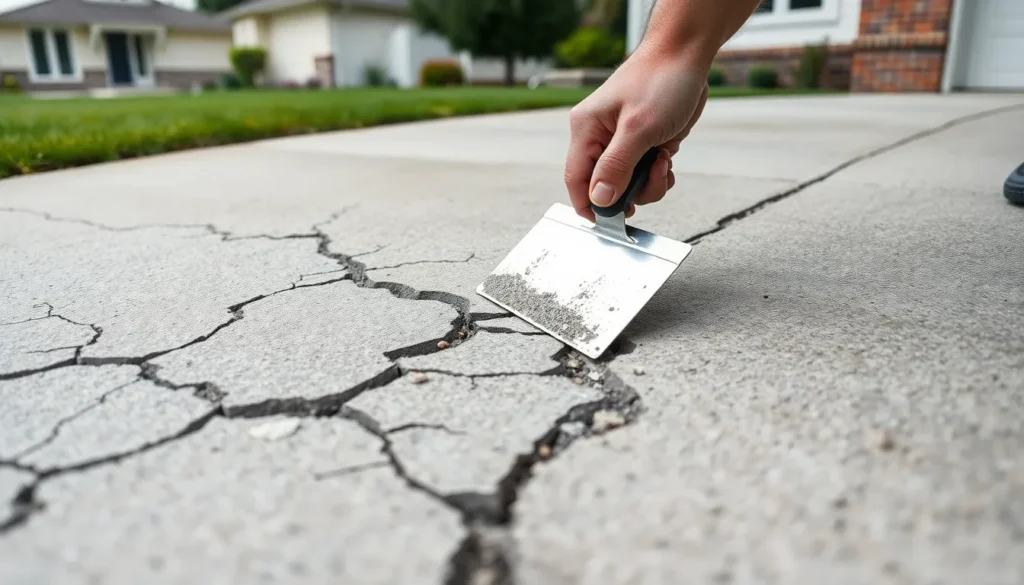
Cracks in concrete often arise from various causes, such as temperature fluctuations or shrinkage. Minor cracks may not seem significant, but they can evolve into larger issues if left unaddressed. Cracks can allow water infiltration, leading to additional damage during freeze-thaw cycles. Regular inspections help identify cracks early, enabling timely repairs. Methods like filling cracks with epoxy or polyurethane can restore structural integrity. Repairing small cracks promptly can save costs down the line and maintain aesthetics.
Spalling
Spalling occurs when the surface layer of concrete flakes or chips away. This issue commonly results from moisture damage or inadequate curing during the initial setting. Snow and ice melting agents can aggravate spalling. Efforts to prevent spalling include sealing concrete surfaces to minimize moisture penetration. When spalling does occur, a repair strategy involves removing damaged layers and applying a new topping. Proper maintenance extends the lifespan of concrete and preserves visual appeal, enhancing overall property value.
Settling
Settling happens when the ground beneath concrete becomes unstable, causing uneven surfaces. Often influenced by soil erosion or compaction, settling can lead to hazardous trip hazards. Addressing settling requires identifying the underlying cause and implementing solutions like mudjacking or slab jacking to restore level surfaces. Inspections and maintenance help to detect settling early, avoiding larger structural issues. Timely intervention ensures stability and safety, while also preventing costly repairs in the future.
Prevention Strategies
Preventing damage to concrete surfaces requires strategic planning and implementation. Certain practices can substantially extend the lifespan and enhance the performance of concrete.
Regular Inspections
Regular inspections play a key role in maintaining concrete surfaces. Scheduling inspections every six months allows for early detection of cracks, chips, or stains. Inspectors should focus on high-traffic areas where wear and tear often occurs. Identifying minor issues during these check-ups prevents them from becoming more serious, potentially saving significant repair costs. Inspectors can document findings, helping track changes over time and maintaining a comprehensive maintenance record.
Sealants and Coatings
Applying sealants and coatings is vital for protecting concrete from moisture and stains. Sealants provide a barrier against water infiltration, which can lead to costly damage. Coatings enhance aesthetics and enable easier cleaning. Choosing a high-quality product can increase durability and resistance to harmful conditions such as freeze-thaw cycles. Routine application of sealants every 1 to 3 years ensures surfaces remain well-protected. Selecting appropriate products for specific environments further optimizes concrete longevity and performance.
Repair Techniques
Repair techniques play a vital role in maintaining concrete surfaces. Implementing the right methods can extend the lifespan and enhance the performance of concrete structures.
Patching
Patching addresses small to moderate cracks effectively. Using a concrete patching compound, professionals fill damaged areas, ensuring a smooth finish that blends with the surrounding surface. Suitable materials include polymer-modified mortars for increased adhesion and durability. Attention to detail is crucial, as proper preparation of the patch area enhances long-term results. Regular inspection allows for timely patching, preventing minor issues from escalating into major problems.
Replacement
Replacement becomes necessary when structural integrity declines severely. Major cracks, spalling, or significant settling can indicate the need for entire slab removal. Skilled contractors assess the situation before removing the old concrete. Subsequently, they prepare the base, ensuring proper compaction and grading. New concrete is poured and cured systematically to avoid future issues. Timely replacement mitigates further property damage and restores functionality.
Resurfacing
Resurfacing rejuvenates worn concrete surfaces by applying a new layer over the existing slab. This method effectively covers imperfections while improving aesthetics. Various overlays, including decorative options, provide a fresh look. Professionals typically clean the surface first to ensure proper bonding. After application, curing compounds maintain moisture levels, promoting durability. Regular resurfacing every 5 to 10 years can prolong the life of concrete surfaces significantly.
Tools And Materials Needed
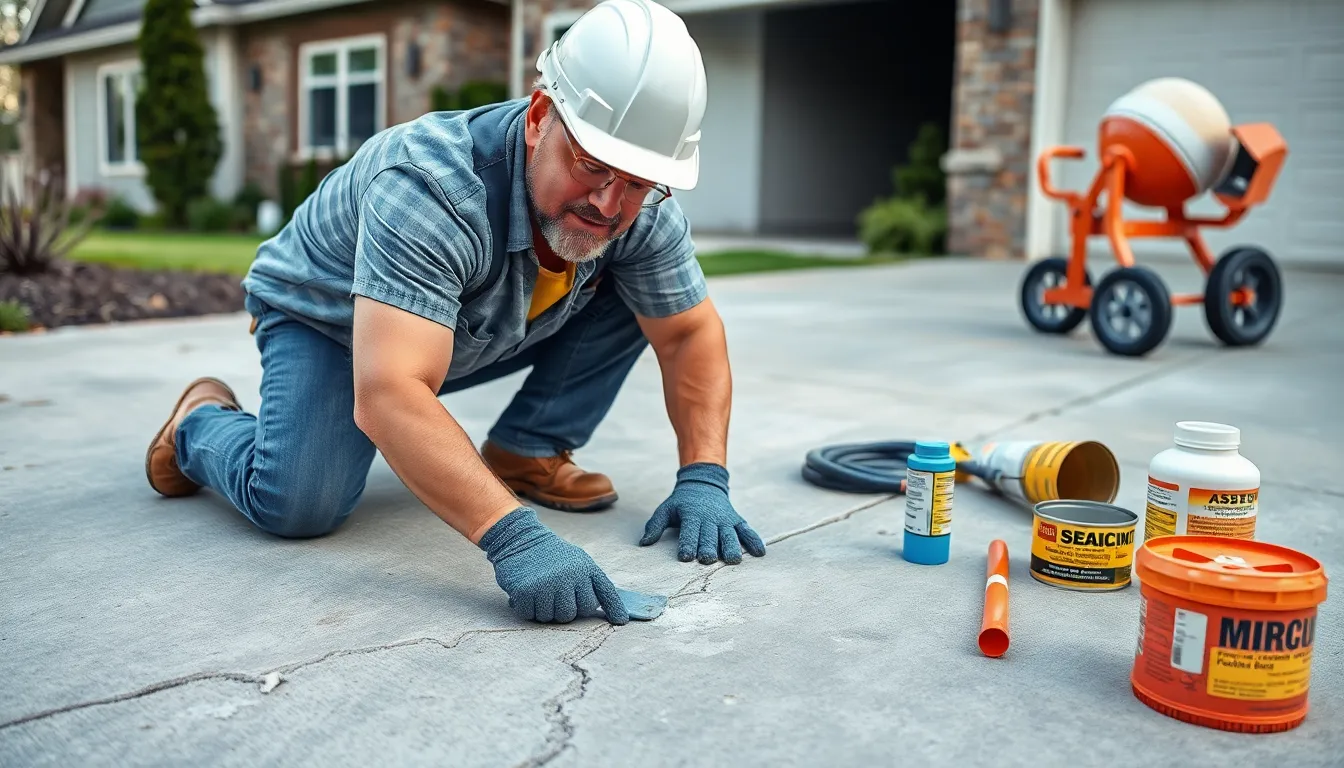
Selecting the right tools and materials for concrete maintenance and repair ensures effective outcomes. Essential tools include a concrete mixer, which assists in combining materials smoothly. A trowel serves multiple purposes for spreading and smoothing concrete surfaces effectively.
Concrete patching compound is vital for filling cracks and damages. This compound comes in various formulations designed for specific applications, such as quick-setting types for urgent repairs. Sealants, another critical material, protect concrete from moisture and stains, enhancing longevity.
Using a concrete saw can aid in cutting concrete surfaces accurately. This tool facilitates creating clean edges, especially when replacing or adding concrete. A level ensures surfaces are even, preventing future structural issues caused by uneven settlement.
Safety gear deserves attention as well. Gloves, goggles, and dust masks protect against debris and chemical exposure during repairs. Additionally, a wheelbarrow simplifies transporting heavy materials around the site.
Brushes and rollers may be necessary for applying sealants or resurfacing materials evenly. A power washer also proves beneficial for cleaning surfaces before applying new materials. Regular maintenance often requires basic hand tools like hammers and chisels for minor touch-ups.
To summarize, having the right array of tools and materials significantly impacts the effectiveness of concrete maintenance and repair tasks. Prioritizing high-quality products yields better results and extends the lifespan of concrete structures.
Concrete maintenance and repair play a vital role in preserving the integrity and appearance of surfaces. By addressing minor issues promptly and implementing a regular maintenance schedule, property owners can avoid costly repairs down the line. Investing in quality tools and materials not only enhances repair effectiveness but also contributes to the longevity of concrete structures.
Ultimately, a proactive approach to concrete care ensures safety and functionality while boosting property value. With the right strategies in place, concrete can remain a reliable and attractive feature for many years.