Las Vegas homeowners face unique appliance challenges. Between the hard water, dust infiltration, and year-round AC use that cycles air through the kitchen, dishwashers take a beating in the desert climate. When a dishwasher stops draining mid-cycle or leaves cloudy film on every glass, most people want answers fast, not a weeklong wait for a repair tech or a surprise $600 invoice. This guide walks through the most common dishwasher issues in the Las Vegas area, when a DIY fix makes sense versus calling in a pro, how to vet repair services, and maintenance tactics that extend appliance life in Southern Nevada’s harsh water and heat.
Table of Contents
ToggleKey Takeaways
- Dishwasher repair in Las Vegas is complicated by hard water (12–16 grains per gallon), dust infiltration, and extreme heat that damage pumps, gaskets, and spray arms faster than in other climates.
- Common DIY fixes like cleaning filters, replacing door gaskets, and clearing drain hoses can save $75–$125 in service calls, but pump replacements, control boards, and hardwired electrical work require licensed professionals to avoid voiding warranties.
- Verify Las Vegas repair services through reviewed ratings, Nevada contractor licensing, and written estimates that itemize parts and labor; same-day or next-day availability is critical in a city where summer temperatures exceed 115°F.
- Typical dishwasher repair costs range from $75–$125 for diagnostics to $200–$500 for major components like motors or control boards; if quotes approach $500 on units over eight years old, replacement is usually more cost-effective.
- Monthly maintenance—cleaning filters and spray arms, running vinegar cycles, and wiping door seals—and annual descaling with citric acid prevent mineral buildup and extend appliance life in Southern Nevada’s harsh water conditions.
- In case of leaks, immediately stop the cycle, turn off the water supply valve, mop standing water, and shut off the breaker if pooling occurs; document damage with photos for warranty or insurance claims before waiting for professional help.
Common Dishwasher Problems Las Vegas Homeowners Face
Desert living wreaks havoc on dishwashers in ways that humid climates rarely see. Hard water scale builds up faster, dust clogs filters more aggressively, and extreme summer heat stresses hose connections and gaskets.
Not Draining or Slow Drainage: The most frequent service call. Food particles, broken glass, or hard water deposits lodge in the drain pump or clog the air gap. If standing water remains after a cycle, check the drain hose for kinks and clear the filter basket at the tub bottom. A clogged garbage disposal can also back up the dishwasher if they share a drain line.
Cloudy Film or White Residue on Dishes: Las Vegas tap water ranks among the hardest in the nation, averaging 16 grains per gallon in some ZIP codes. Calcium and magnesium leave a chalky film no matter how much rinse aid you use. If dishes come out gritty or spotted, the issue is usually mineral buildup in the spray arms or on the heating element, not detergent choice.
No Hot Water or Poor Cleaning: Dishwashers rely on water heated to at least 120°F for effective cleaning. If the heating element fails or the water inlet valve sticks, cycles run cold. This shows up as greasy plates and stuck-on food. Test by running a cycle and carefully opening the door mid-wash: steam should escape if water temperature is adequate.
Leaks Around the Door: Worn door gaskets dry out faster in low-humidity climates. Rubber seals crack, allowing water to seep onto the floor. Inspect the gasket for brittleness or gaps. Replacement gaskets cost $15–$40 and snap into the existing channel on most models.
Noisy Operation: Grinding, squealing, or rattling usually points to a failing wash pump motor, worn spray arm bearings, or debris caught in the chopper blade. Ignoring loud noises often leads to motor burnout, which transforms a $150 pump replacement into a $400–$500 repair or justifies a new unit.
When to DIY vs. Call a Professional Repair Service
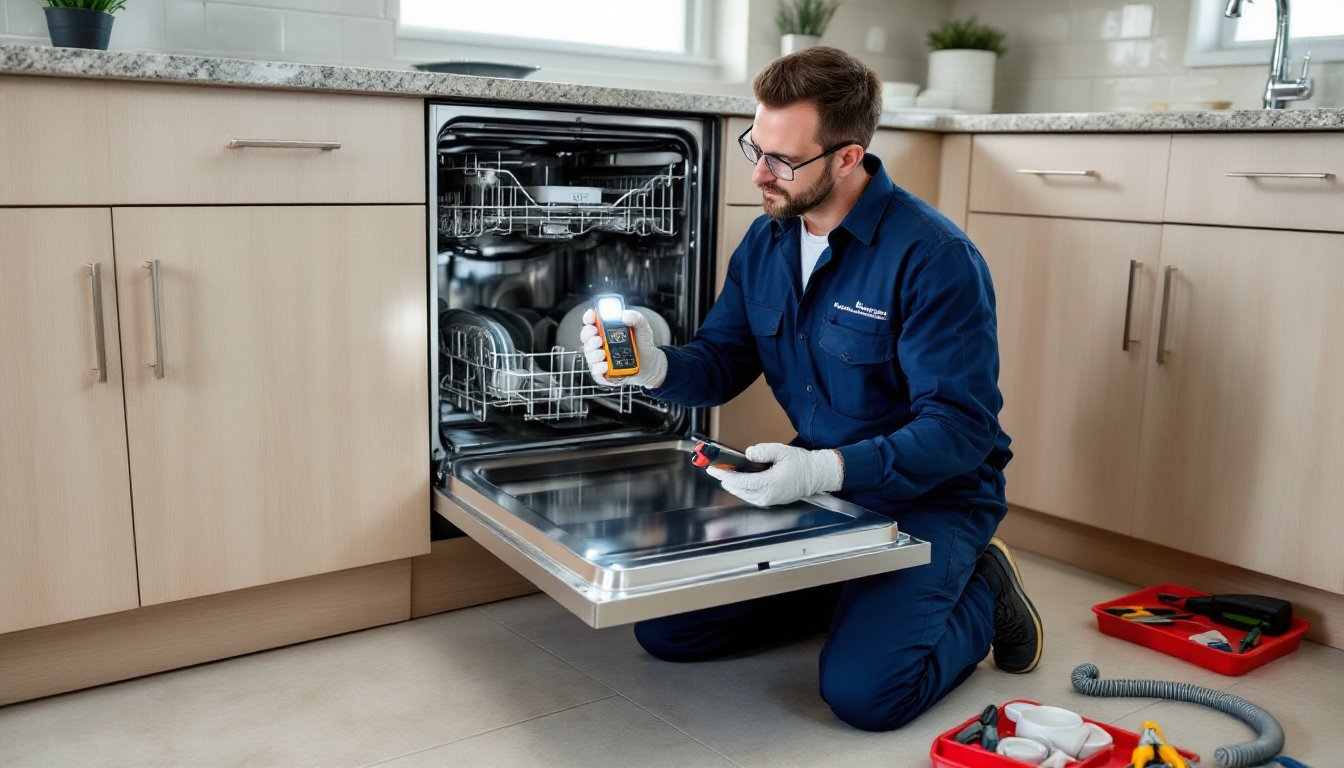
Some dishwasher fixes require nothing more than a screwdriver and fifteen minutes. Others demand multimeter diagnostics, part-specific knowledge, and sometimes a permit if you’re replacing hardwired electrical connections.
Safe for Most DIYers:
• Cleaning the filter and spray arms: Pull the lower rack, twist out the cylindrical filter, rinse under hot water, and use a toothpick to clear spray-arm holes. Do this monthly in Las Vegas to combat mineral buildup.
• Replacing the door gasket: Peel off the old seal, wipe the channel clean, and press the new gasket into place. No tools required.
• Clearing a clogged drain hose: Disconnect the hose at the sink tailpiece or garbage disposal, flush with water, reattach. Wear gloves, drain water smells foul.
• Resetting the unit: If the control panel freezes or the cycle won’t advance, flip the breaker or unplug for sixty seconds. Many glitches resolve with a hard reset.
Many homeowners successfully tackle these tasks using DIY repair tutorials that walk through each component step by step.
Call a Professional For:
• Pump or motor replacement: Requires disassembly of the tub, electrical disconnects, and sometimes soldering wires. Misinstallation can flood the kitchen or trip breakers repeatedly.
• Control board failure: Circuit boards cost $150–$300 and demand precise connector seating. Swapping the wrong board or failing to ground properly can fry the new part immediately.
• Water inlet valve issues: Involves shutting off the home’s water supply, draining lines, and working in tight under-cabinet spaces. Cross-threaded fittings cause leaks that damage cabinetry.
• Hardwired electrical connections: If the dishwasher isn’t plug-in and requires junction-box work, call a licensed electrician. Las Vegas code (based on NEC Article 422) mandates GFCI protection for dishwashers in certain installations.
• Warranty or insurance claims: Attempting DIY repairs can void manufacturer warranties or homeowner policies. Check coverage before opening the access panel.
If you’re unsure, a service call from a vetted repair tech typically runs $75–$125 for diagnosis. That fee often applies toward the repair if you proceed.
How to Find Reliable Dishwasher Repair Services in Las Vegas
Las Vegas has dozens of appliance repair companies, from one-person mobile techs to national franchise operations. Not all are equally reliable or fairly priced.
Start With Verified Reviews: Check ratings on platforms that verify service history and customer feedback. Local providers with consistent five-star reviews and hundreds of completed jobs tend to show up quickly and honor their quotes. Many of the top-rated appliance repair professionals carry liability insurance and manufacturer certifications, which matter if a repair goes wrong and damages cabinetry or flooring.
Confirm Licensing and Insurance: Nevada requires appliance repair businesses to carry a contractor’s license for work exceeding $1,000 or involving gas/electrical systems. Ask for the license number and verify it with the Nevada State Contractors Board. Liability insurance protects you if a tech floods the kitchen or shorts out wiring.
Request Detailed Estimates: A reputable service will provide a written estimate that itemizes parts, labor, trip charges, and diagnostic fees. Avoid companies that quote “around $200–$500” over the phone without seeing the unit. Appliance age, brand, and part availability all affect final cost.
Ask About Part Sourcing: OEM (original equipment manufacturer) parts cost more but fit precisely and carry warranties. Aftermarket parts are cheaper but may fail sooner or void remaining manufacturer coverage. If your dishwasher is under three years old, insist on OEM.
Check Same-Day or Next-Day Availability: In a city that hits 115°F in summer, waiting a week for a repair isn’t practical if you’re hand-washing dishes for a family of four. Many Las Vegas services offer same-day slots for common issues like clogs or leaks.
Consider comparing estimates using a cost estimator tool that aggregates pricing data from recent local jobs. This prevents overpaying for straightforward repairs.
What to Expect: Costs and Timelines
Typical Repair Costs in Las Vegas (2026):
• Diagnostic/service call: $75–$125, often waived if repair proceeds
• Drain pump replacement: $150–$250 parts + labor
• Heating element: $100–$200
• Control board: $200–$400
• Door latch or gasket: $50–$120
• Full motor assembly: $350–$500
Prices vary by brand. Bosch and KitchenAid parts run higher than GE or Whirlpool. If the quote approaches $500 and the dishwasher is over eight years old, replacement often makes more financial sense than repair.
Timelines: Most single-component repairs (pump, latch, gasket) complete in 60–90 minutes once the tech arrives. Control board replacements or motor swaps may take two hours. If a part must be ordered, expect 2–5 business days for delivery, though common components are usually stocked locally.
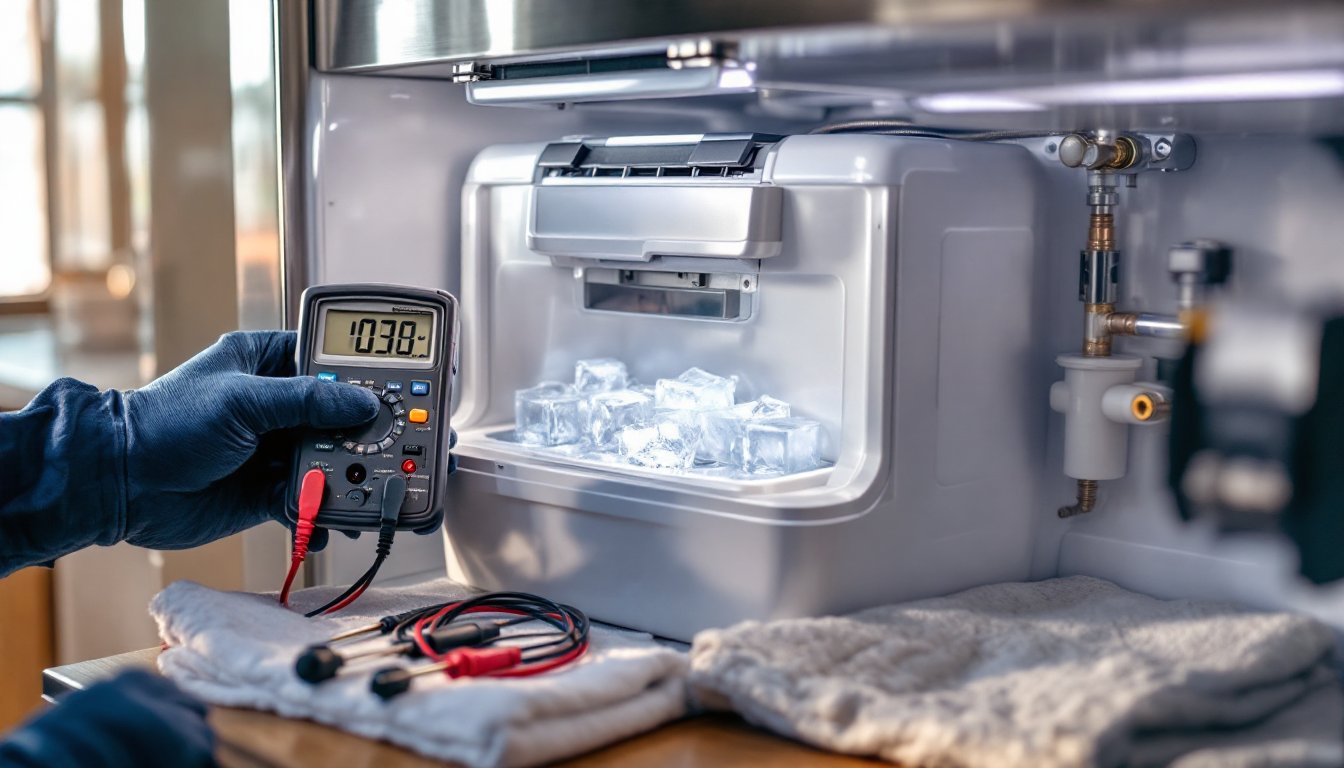
In the Las Vegas area, some companies also handle las vegas refrigerator repair and other major appliances, so bundling service calls can save trip fees if multiple units need attention.
Preventative Maintenance Tips for Las Vegas Dishwashers
An ounce of prevention beats a $300 repair bill. Las Vegas conditions demand more frequent maintenance than milder climates.
Monthly Tasks:
• Clean the filter and spray arms: Pull the lower rack, remove the cylindrical filter, rinse under hot water, and use a toothpick or wire to clear mineral deposits from spray-arm nozzles.
• Run a cleaning cycle: Use a dishwasher cleaner tablet or two cups of white vinegar on the top rack. Run the hottest cycle empty to dissolve grease and scale.
• Wipe door seals: A damp cloth removes food particles and prevents mold growth along the gasket.
Quarterly Tasks:
• Inspect hoses and connections: Check under the sink for kinks, cracks, or moisture around the drain hose and water supply line. Replace any hose showing wear, a burst hose can dump gallons onto your floor.
• Check the air gap: If your dishwasher has an air gap (the small chrome cylinder on the sink deck), unscrew the cap and clear debris. A clogged air gap causes backups.
Annually:
• Descale the interior: Las Vegas water deposits build up on heating elements and pump housings. Run a cycle with a commercial descaling agent (CLR or Finish brand) or a half-cup of citric acid powder.
• Test the door latch and hinges: Tighten any loose screws on the door hinge brackets. A sagging door stresses the latch and can crack the tub seal.
Hard Water Challenges in the Las Vegas Area
Las Vegas pulls water from Lake Mead and the Colorado River, both notorious for high mineral content. The Southern Nevada Water Authority reports hardness levels between 12 and 16 grains per gallon, compared to a national average of 5–10.
Why It Matters: Calcium and magnesium precipitate out during the heating cycle, coating spray arms, heating elements, and the tub interior. Over time, scale reduces water flow, lowers cleaning efficiency, and accelerates component failure.
Solutions:
• Water softener: A whole-house system reduces hardness before water reaches the dishwasher. Initial cost runs $800–$2,500 installed, but it protects all appliances and extends their lifespan.
• Rinse aid: Use a rinse aid like Jet-Dry in every cycle. It helps water sheet off dishes and reduces spotting, though it won’t prevent internal scale.
• Descaling routine: Run a vinegar or citric acid cycle monthly instead of quarterly if you notice cloudy glassware or white residue.
• Check detergent dosage: Hard water requires more detergent to lather effectively, but too much leaves a soapy film. Start with the manufacturer’s recommended amount and adjust based on results.
Some homeowners install an inline water filter between the supply valve and the dishwasher. These cartridge filters ($30–$60) reduce sediment and chlorine but have minimal impact on hardness. For true mineral reduction, a water softener is necessary.
Emergency Dishwasher Repair: What to Do While You Wait
When a dishwasher fails mid-cycle or starts leaking, quick action prevents water damage and buys time until a tech arrives.
Stop a Leak Immediately:
- Open the door slowly to halt the cycle. Most models pause when the door latch disengages.
- Turn off the water supply valve under the sink (usually a quarter-turn ball valve on the hot-water line).
- Mop up standing water and place towels around the base to catch drips.
- Inspect for obvious issues: Check the door gasket for tears, the drain hose for disconnection, and the spray arm for cracks.
If water is actively pooling, shut off the circuit breaker to the dishwasher to prevent electrical hazards. Don’t stand in water while reaching for controls.
Clear Standing Water:
If the dishwasher won’t drain and you can’t wait for a tech:
• Use a wet/dry vacuum to suck water from the tub bottom.
• Bail remaining water into a bucket with a sponge or plastic cup.
• Remove and clean the filter, often a clog clears and the unit drains on the next cycle.
Run Partial Loads by Hand:
While waiting for repair, hand-wash essentials in the sink. Scrape plates well and soak pots to save time. If you have a large family, paper plates and disposable utensils can bridge a few days without adding to the workload.
Document for Warranty or Insurance:
Take photos of the leak, the model/serial tag, and any visible damage to cabinetry or flooring. If the dishwasher is under warranty or you’re filing a homeowner’s claim, documentation speeds the process.
Temporary Fixes (Use Caution):
• A torn door gasket can sometimes be patched with waterproof silicone sealant for a day or two, but replace it properly as soon as possible.
• If the door latch is loose, tighten the mounting screws. A broken latch usually means no operation until replaced.
Don’t run the dishwasher if you suspect a pump or motor issue, forcing a cycle can worsen damage and flood the cabinet base. Wait for professional diagnosis.