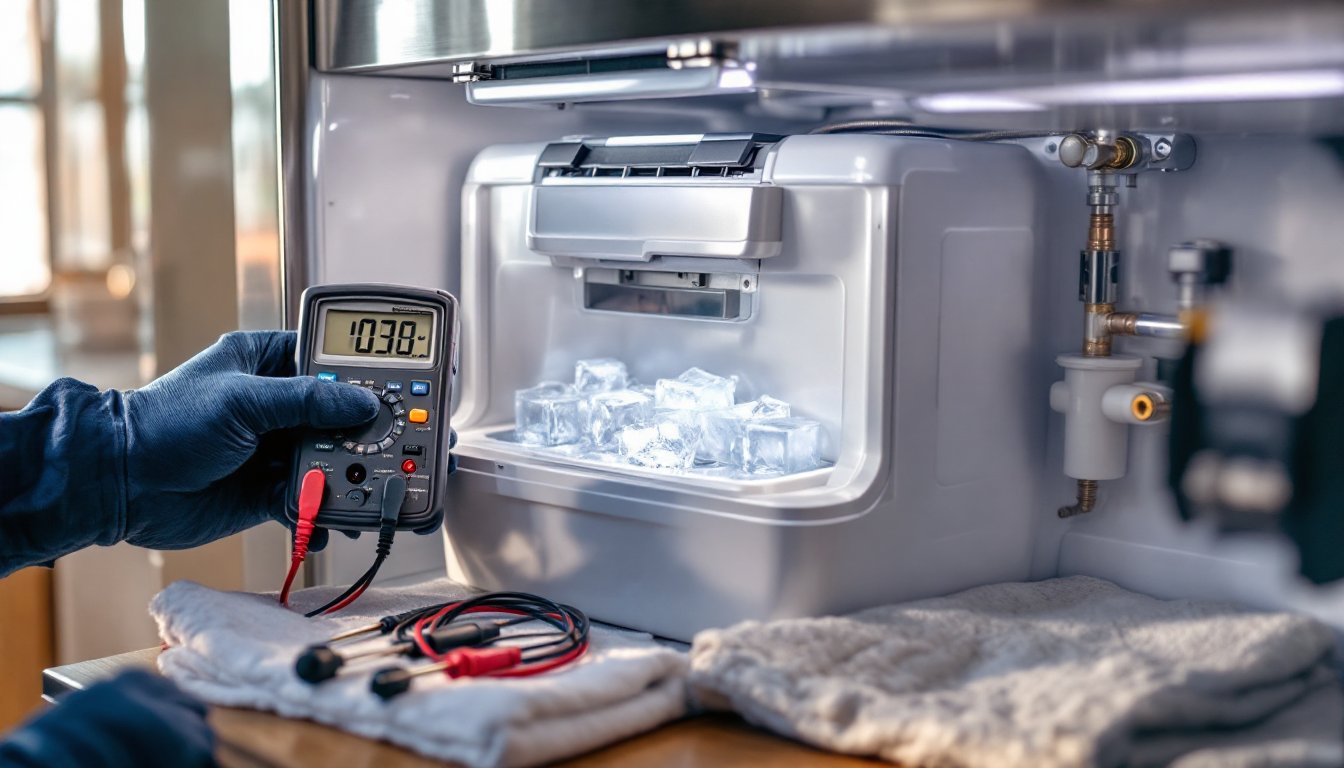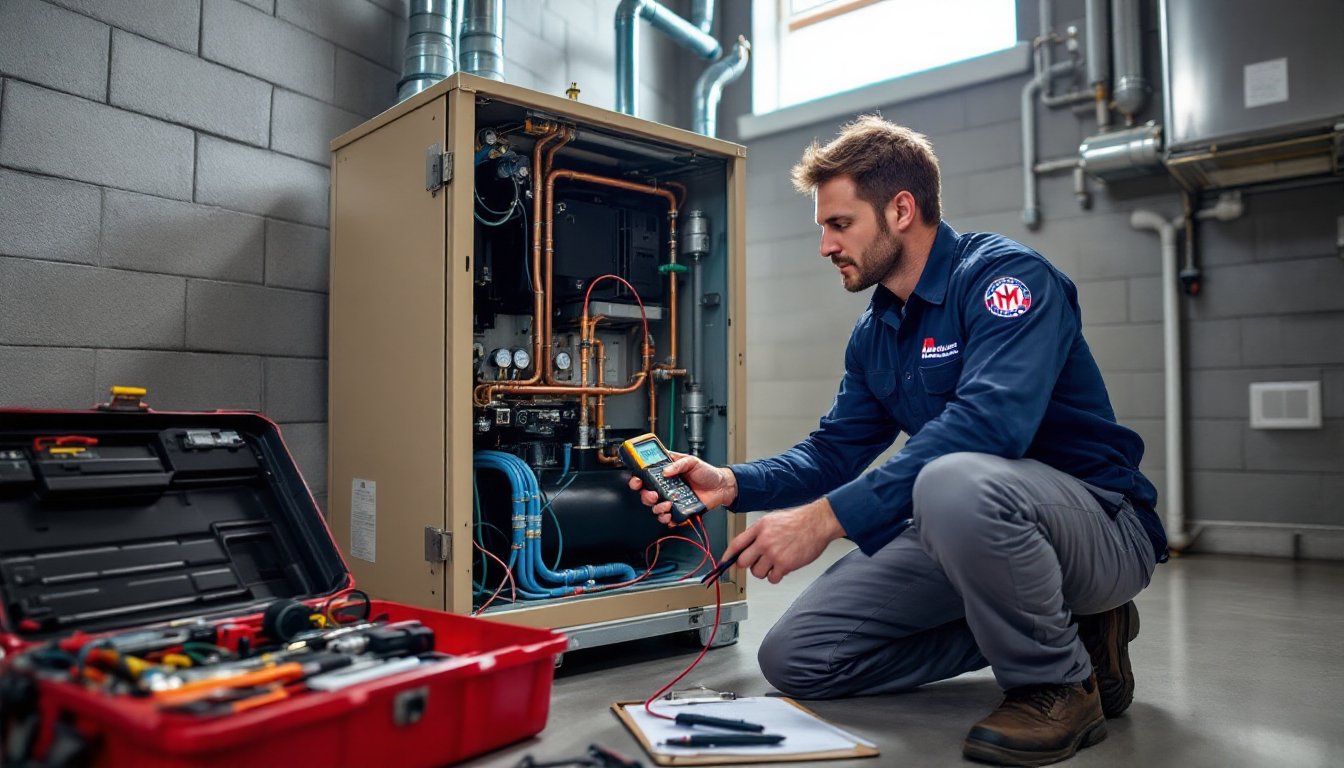
Geothermal HVAC systems deliver impressive efficiency and long-term savings, but when something goes wrong, they’re a different beast than conventional forced-air units. The underground loop, specialized refrigerant cycles, and unique heat pump components mean troubleshooting and repairs require knowledge most HVAC techs don’t carry in their standard toolkit. If your geothermal system is struggling to keep up, running constantly, or tripping breakers, you’re dealing with a system that deserves targeted attention. This guide walks through how these systems operate, the most common failures homeowners face, what you can safely troubleshoot yourself, and when it’s time to call in a tech who actually knows geothermal.
Table of Contents
ToggleKey Takeaways
- Geothermal HVAC repair requires specialized technician training in loop systems, refrigerant management, and heat pump components that general HVAC techs often lack, making misdiagnosis common.
- Loop system leaks and pressure loss are silent killers of geothermal efficiency; monitor your system’s pressure gauge regularly and address even small drops immediately to avoid compressor stress and costly repairs.
- Before calling a professional, check your thermostat settings, circuit breakers, loop pressure gauge, air filter condition, and listen for unusual noises—many service calls can be prevented with basic troubleshooting.
- Compressor failure and circulator pump motor failures are the most expensive geothermal HVAC repair issues; confirm your technician is IGSHPA-certified or has factory training on your specific heat pump brand.
- Annual professional maintenance including antifreeze concentration checks, refrigerant charge verification, and electrical inspections prevents costly failures and extends system longevity by 5+ years.
- Monthly air filter changes and monitoring electric bill spikes are the most cost-effective preventive measures; a $5 filter swap can prevent a $2,000 compressor repair.
How Geothermal HVAC Systems Work and Why They Need Specialized Repair
Geothermal HVAC systems exploit stable underground temperatures to heat and cool your home more efficiently than air-source units. A closed-loop system circulates a water-antifreeze mixture through buried polyethylene pipes (typically 3/4-inch to 1-1/4-inch HDPE), absorbing heat from the earth in winter and dumping it back in summer. That loop connects to a ground-source heat pump (GSHP) inside your mechanical room, where refrigerant cycles transfer energy between the loop fluid and your home’s air distribution system.
Unlike conventional HVAC, geothermal components live in two worlds: buried infrastructure you can’t see and indoor mechanical gear that’s more complex than a standard air conditioner. The heat pump houses a compressor, reversing valve, desuperheater (for hot water assist), and expansion devices that manage refrigerant flow. Loop systems can be horizontal (trenches 4–6 feet deep), vertical (boreholes 150–400 feet deep), or pond-based, each with distinct failure modes.
Most general HVAC techs lack training on loop pressure testing, antifreeze concentration checks, or the specific refrigerant blends (often R-410A or newer low-GWP options) used in GSHPs. Misdiagnosis is common, a tech unfamiliar with geothermal might blame a compressor when the real culprit is low loop flow from a clogged filter or air pocket. That’s why specialized repair matters: fixing geothermal right the first time saves both money and system longevity.
Common Geothermal HVAC Problems Every Homeowner Should Know
Loop System Leaks and Pressure Loss
Loop leaks are the silent killers of geothermal efficiency. A pressure drop of 5–10 psi over a few weeks signals trouble, either a leak in the buried piping or fittings, or air infiltration at connections. Horizontal loops are vulnerable to damage from settling soil, root intrusion, or improper backfill with sharp rocks. Vertical loops rarely leak unless the heat-fusion joints were done poorly during installation.
Symptoms include the heat pump running longer cycles, reduced heating or cooling capacity, and the loop pressure gauge drifting downward. If you catch it early, a tech can inject fluorescent tracer dye into the loop fluid and use UV lights to pinpoint the leak during an excavation. Ignoring pressure loss forces the heat pump to work harder, stressing the compressor and spiking your electric bill. Loop repairs typically require excavation, and costs vary wildly depending on depth and accessibility, horizontal loop fixes might run $1,500–$3,000, while vertical bore repairs can hit $5,000+ due to drilling access.
Antifreeze concentration is another variable. Most loops use 20–30% propylene glycol or methanol to prevent freezing. If the mixture is too diluted (from topping off with plain water), you risk freeze damage in cold climates. A refractometer test during annual maintenance catches this before it becomes a problem.
Heat Pump Compressor and Motor Failures
The compressor is the heart of your geothermal heat pump, and when it dies, you’re looking at a repair bill that can approach half the cost of a new unit. Compressor failure often stems from electrical issues (hard start events, voltage spikes), refrigerant contamination, or simple wear after 15–20 years of service. Warning signs include loud grinding or clicking noises, the unit tripping a 30-amp breaker, or the compressor not starting at all.
Circulator pump motors, which push loop fluid through the ground heat exchanger, also fail. These are 1/6 HP to 1/2 HP fractional motors running continuously during heating and cooling seasons. Bearings wear out, capacitors go bad, and impellers can seize if sediment builds up in the loop. A failed circulator means zero heat transfer, the heat pump will run, but you’ll get no heating or cooling output. Replacing a circulator motor is straightforward for a qualified tech and typically costs $400–$800 in parts and labor.
Reversing valves, which switch the refrigerant flow direction between heating and cooling modes, can stick or leak. If your system heats fine but won’t cool (or vice versa), the reversing valve is a prime suspect. Replacing it requires recovering refrigerant, cutting into the refrigerant lines, and brazing in a new valve, not a DIY task.
DIY Troubleshooting Steps Before Calling a Professional
Before you search for geothermal HVAC repair near me, run through these checks. Start with the thermostat: verify it’s set to the correct mode (heat/cool), the fan is set to auto (not continuous), and the temperature differential is at least 2–3°F above or below the current reading. Dead batteries or a tripped 24-volt transformer can shut down the whole system.
Check the circuit breakers at your main panel. Geothermal systems typically have two breakers: one for the heat pump (often 30–60 amps) and one for the air handler or auxiliary heat (20–40 amps). If a breaker has tripped, reset it once. If it trips again immediately, you’ve got a short or ground fault, stop and call a pro.
Inspect the loop pressure gauge on the heat pump’s supply and return lines. Pressure should hold steady within the range specified by your installer (often 30–70 psi for closed loops). A gauge reading zero or dropping over days points to a leak. Also check the loop fluid temperature differential: in heating mode, the return line from the ground should be warmer than the supply going out. In cooling mode, it’s the reverse.
Look at the air filter in your air handler. A clogged filter (especially if it’s a high-MERV pleated filter that hasn’t been changed in months) chokes airflow, causing the heat pump to short-cycle or trip on high-pressure safety. Swap in a fresh filter, standard 1-inch filters should be changed every 1–3 months, 4-inch media filters every 6–12 months.
Listen for unusual noises. A grinding sound from the compressor, squealing from the blower motor, or gurgling in the loop lines can all point to specific failures. Many homeowners waste service calls on issues solved by checking power, filters, and settings first.
When to Hire a Professional Geothermal HVAC Technician
Call a pro immediately if you smell a sweet, chemical odor (refrigerant leak), see ice forming on the indoor coil during heating mode, or the heat pump won’t start even though confirmed power. Refrigerant work is EPA-regulated, only Section 608 certified techs can legally handle it, and DIY refrigerant repairs are both illegal and dangerous.
Any issue involving the buried loop requires a specialist. Testing loop integrity with a pressure decay test, injecting tracer dye, or excavating and repairing a leak isn’t a DIY project. The same goes for compressor replacement, reversing valve work, or troubleshooting electronic controls and sensors. These repairs often require specialized tools like refrigerant recovery machines, vacuum pumps, manifold gauge sets, and digital multimeters.
When hiring, confirm the tech has geothermal-specific training. Ask if they’re certified by the International Ground Source Heat Pump Association (IGSHPA) or have factory training on your heat pump brand (Waterfurnace, ClimateMaster, Bosch, Trane). A tech experienced with air-source heat pumps isn’t necessarily qualified for geothermal, the loop side and water-to-air heat exchangers are different animals. Platforms that connect you with qualified local contractors can help narrow down techs with the right credentials.
Expect diagnostic fees of $100–$200 for a service call. Major repairs, compressor replacement, loop leak repair, or control board swaps, can range from $1,000 to $5,000+ depending on parts, labor, and access. Get a written estimate before authorizing work, and ask whether the repair extends any remaining manufacturer warranty (most heat pumps carry a 5–10 year parts warranty).
Preventive Maintenance Tips to Avoid Costly Repairs
Annual professional maintenance is non-negotiable for geothermal systems. A qualified tech should inspect loop pressure, test antifreeze concentration with a refractometer, check refrigerant charge and superheat/subcooling, lubricate circulator pump bearings (if serviceable), and verify electrical connections are tight. Homeowners discussing common GSHP problems often find that deferred maintenance caused failures that could’ve been prevented.
Change air filters religiously. Set a phone reminder every 30–60 days during peak heating and cooling seasons. A $5 filter change can prevent a $2,000 compressor repair by maintaining proper airflow.
Keep the outdoor flush-mount access covers (for vertical loop headers) clear of snow, leaves, and debris. If you have a pond loop, inspect the coil anchor points annually to ensure the coils haven’t shifted or surfaced.
Monitor your electric bills. A sudden spike without a corresponding change in weather or usage patterns often signals an efficiency loss, low loop pressure, failing circulator pump, or refrigerant undercharge. Catching problems early, when the system is merely working harder rather than dead, keeps repair costs manageable.
Invest in a programmable or smart thermostat compatible with geothermal systems. Proper setback schedules reduce runtime and wear. Avoid extreme temperature swings, geothermal systems perform best with gradual, steady heating and cooling rather than rapid recovery from deep setbacks.
Finally, keep your installation and service records in one place: loop specs (length, depth, antifreeze type), heat pump model and serial number, refrigerant type and charge weight, and a log of all maintenance and repairs. That documentation is gold when troubleshooting or selling your home.