You’ve spotted a few missing shingles after last week’s storm, or maybe that persistent drip in the attic has you eyeing the ceiling with suspicion. Small roof issues can spiral into expensive nightmares if ignored, but hiring a full roofing crew for minor work feels like overkill. That’s where a qualified handyman comes in. For repairs like replacing a handful of shingles, sealing small flashes around vents, or patching minor leaks, a skilled handyman for roof repair can save you time and money without the overhead of a specialty contractor. But not every handyman has the ladder skills or roofing know-how to work safely above your head, so knowing when, and who, to hire makes all the difference.
Table of Contents
ToggleKey Takeaways
- A qualified handyman for roof repair is ideal for isolated jobs like replacing up to a dozen shingles, sealing flashing, or patching minor leaks—work that takes less than half a day and doesn’t affect structural components.
- Hire a licensed roofing contractor instead for major damage spanning multiple roof planes, structural rot, full tear-offs, or any work above two stories requiring fall-protection systems and specialty insurance.
- A capable handyman should provide roofing references with photos of past work, carry minimum $500,000 liability insurance, and offer a written estimate with itemized materials, labor rates, and a one-year warranty on labor.
- Handyman rates for small roof repairs typically range from $75–$150 per hour, with common jobs like shingle replacement costing $200–$400 and most repairs completing in half a day or less.
- Red flags include no verifiable business address, pressure to pay cash, reluctance to pull permits, vague estimates, no safety gear mention, or a pattern of bad reviews citing incomplete work or hidden fees.
- Only attempt DIY roof repairs if the pitch is 4/12 or less, you have proper equipment and experience with roofing materials, weather is dry and calm, and you’re confident working safely at height with a harness.
When to Hire a Handyman vs. a Roofing Contractor
The dividing line between handyman territory and contractor-level work comes down to scope, complexity, and building codes.
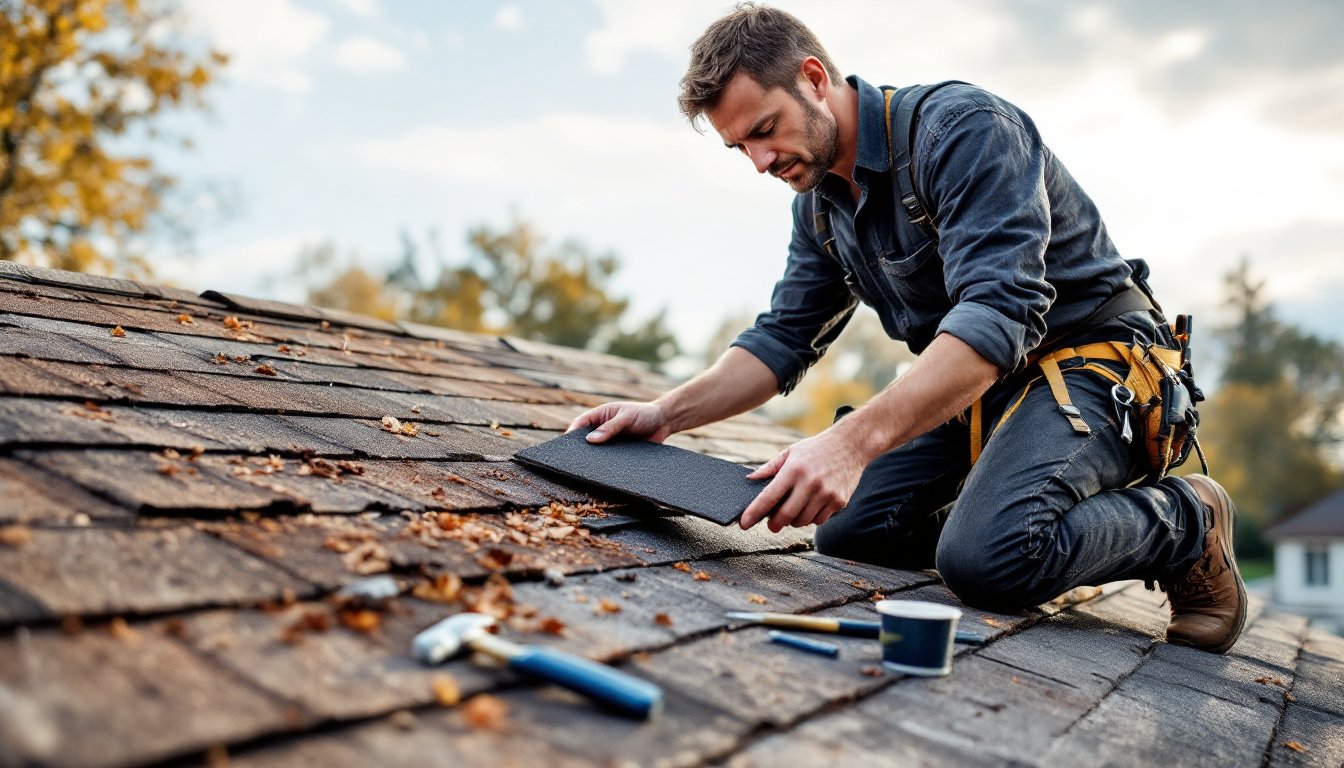
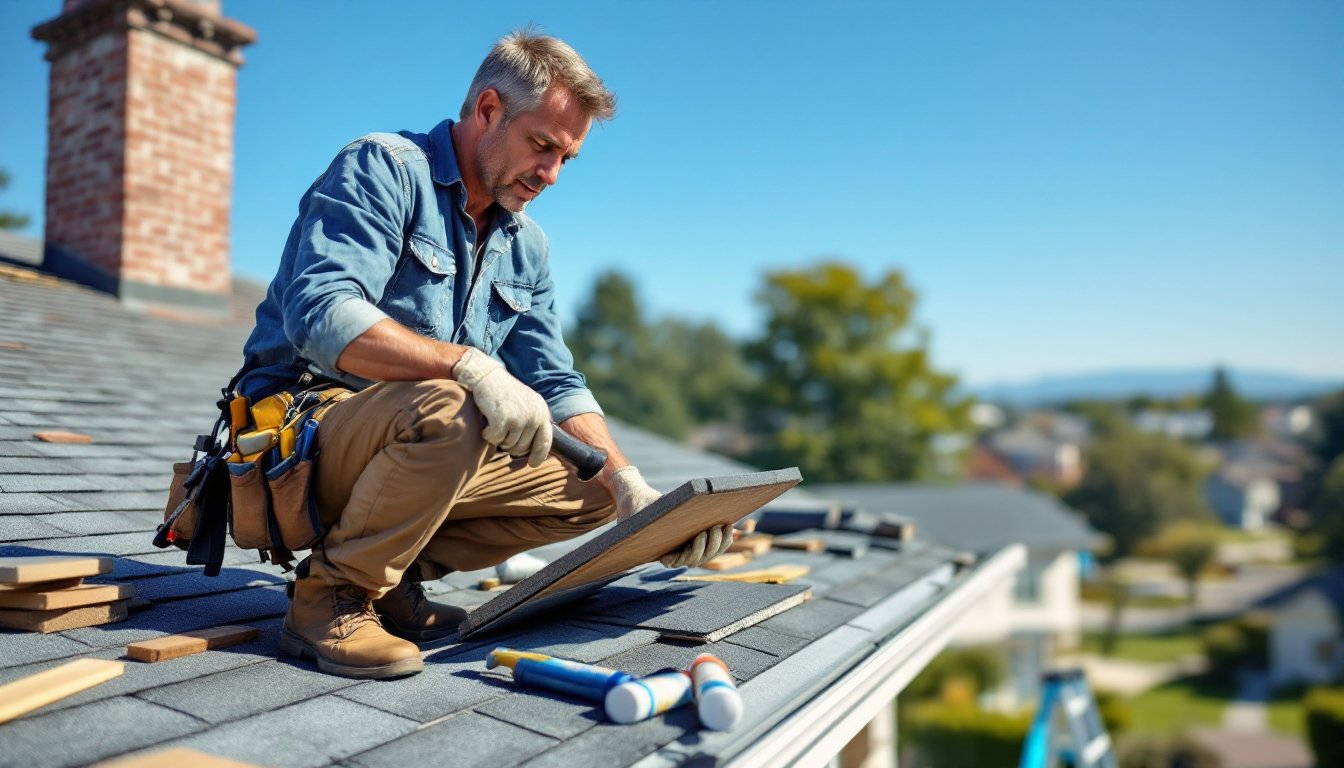
A handyman is your go-to for isolated repairs: replacing up to a dozen asphalt shingles, re-caulking flashing around a chimney or skylight, securing loose ridge caps, or patching a small section of rolled roofing on a shed or porch. These jobs don’t require structural modifications, extensive material orders, or specialty equipment beyond basic ladders and hand tools. Most jurisdictions don’t require permits for cosmetic or minor weatherproofing repairs under a certain square footage, typically around 100 square feet, but verify with your local building department.
You’ll want a licensed roofing contractor when the damage involves multiple roof planes, sagging decking that signals rot or structural failure, full tear-offs, or installations that affect load-bearing components. If you’re dealing with ice dam damage that’s compromised underlayment across a wide area, hail impacts requiring an insurance claim and matching shingle lots, or any work above two stories that demands scaffolding and fall-protection systems, bring in the pros. Contractors carry specialized liability insurance, workers’ comp, and the crew size to handle multi-day projects safely and up to code.
Bottom line: If the fix takes less than half a day, uses materials you can fit in a pickup truck, and doesn’t touch structural framing, a handyman is likely the right call. Anything bigger, and you’re stepping into contractor territory.
Common Small Roof Repairs Handymen Can Handle
Here’s a rundown of typical repairs a capable handyman should manage without breaking a sweat:
- Shingle replacement: Swapping out cracked, curled, or wind-lifted asphalt shingles, usually in clusters of 5–15. This includes lifting surrounding shingles, pulling old roofing nails, sliding in new three-tab or architectural shingles, and securing with galvanized roofing nails and a dab of roofing cement.
- Flashing repairs: Re-sealing or replacing step flashing along chimneys, vent pipes, and skylights. Handymen often use polyurethane or butyl-based caulk rather than tar, which cracks faster in freeze-thaw cycles.
- Ridge cap and hip shingle fixes: Securing or replacing loose caps along roof peaks. These take more wind abuse than field shingles and often lift first.
- Gutter and fascia touch-ups: Reattaching sagging gutters, replacing short sections of fascia board damaged by water intrusion, or sealing small gaps where pests might enter.
- Flat or low-slope patching: Applying rolled roofing patches or rubberized membrane over small punctures or blisters on porches, sheds, or garage extensions.
- Caulking and sealing: Running a bead of high-grade sealant around roof penetrations like plumbing vents, exhaust fans, or satellite mounts.
Most of these jobs take 2–4 hours of labor, and the material cost rarely tops $150 unless you’re dealing with specialty shingles or custom flashing profiles.
How to Find a Qualified Handyman for Roof Work
Not every handyman feels comfortable on a pitched roof, and comfort doesn’t equal competence. Start your search with platforms that vet service providers and aggregate reviews, many homeowners find reliable help through HomeAdvisor or similar matching services that screen for insurance and background checks.
Ask for references specific to roofing. A handyman who excels at drywall or deck staining might lack the balance, tool familiarity, or material knowledge for overhead work. Request photos of recent roof repairs and contact info for two or three past clients. Call them. Ask if the repair held up through a full season of weather.
Verify insurance coverage. A handyman working above ground level should carry general liability insurance (minimum $500,000) and, if they bring a helper, workers’ compensation. Roof work involves fall risk, and you don’t want to be liable if someone gets hurt on your property.
Check local licensing requirements. Some states and municipalities require a handyman license or contractor registration even for small jobs. Others cap the dollar amount a handyman can charge without a license, often around $500 to $1,000 per project. Don’t assume cash-only operators are saving you money: they’re often skirting insurance and tax obligations that protect you.
Platforms like Angi provide cost breakdowns and ratings that help you compare candidates without playing phone tag. Read reviews for mentions of punctuality, cleanup, and whether the handyman walked the homeowner through the problem instead of just slapping on a patch.
Questions to Ask Before Hiring
Before you hand over a deposit or sign a work order, nail down these details:
- “How many roof repairs have you done in the past year?” You want someone who’s done at least a dozen similar jobs, not someone learning on your dime.
- “What’s included in your estimate, materials, disposal, cleanup?” Itemized quotes prevent surprise charges for hauling away old shingles or tarping your landscaping.
- “Do you warranty your work, and for how long?” A one-year labor warranty is standard for small repairs. Material defects should fall under manufacturer warranties.
- “Will you provide photos of the damage before and after the repair?” Documentation helps if you later file an insurance claim or sell the house.
- “What safety equipment do you use?” Expect mention of a roof harness, ladder stabilizers, and non-slip boots, not just “I’ll be careful.”
- “Can you match my existing shingles?” Color and profile matching matters for aesthetics and resale value. Some older shingle lines are discontinued, and pros know how to source close matches or suggest strategic placement.
What to Expect: Costs and Timelines for Small Roof Repairs
Handyman rates for roof work typically run $75–$150 per hour, depending on your region, the handyman’s experience, and job complexity. Many pros charge a flat fee for common repairs to simplify billing:
- Shingle replacement (10–15 shingles): $200–$400, including materials and labor
- Flashing repair or replacement: $150–$350
- Ridge cap re-securing (10–20 linear feet): $150–$300
- Small flat-roof patch (under 10 sq. ft.): $100–$250
- Caulking and sealing around vents/chimneys: $75–$150
These figures assume standard three-tab or architectural asphalt shingles in common colors. Specialty materials, slate, cedar shake, or metal panels, can double or triple costs due to sourcing and skill requirements.
Timeline for most handyman-level repairs is half a day or less. Simple shingle swaps might take 90 minutes: flashing work around a chimney could stretch to three hours if old mortar needs chipping out. Weather plays a bigger role than complexity, rain, high winds, or temps below 40°F (when sealant won’t cure properly) will push the job back.
Get a written estimate before work starts. It should list labor rate or flat fee, materials by type and quantity, estimated start and completion dates, and payment terms. Avoid paying the full amount upfront: 50% down and 50% on completion is fair for small jobs.
Red Flags to Avoid When Choosing a Handyman
A few warning signs separate pros from problem hires:
- No physical business address or only a P.O. box: Legitimate service providers have a verifiable location. A Gmail address and prepaid phone scream fly-by-night.
- Pressure to pay cash or avoid a written contract: This sidesteps insurance claims and leaves you with zero recourse if the work fails or causes further damage.
- Reluctance to pull a permit when required: Even if you think it’s overkill, local codes exist for a reason. Unpermitted work can tank a home sale or void your homeowner’s insurance during a claim.
- Vague or inflated estimates: “Around $500, give or take” isn’t an estimate. Neither is a quote that’s 50% higher than three other bids without clear reasoning (like premium materials or extra structural work).
- No mention of safety gear or liability coverage: If a handyman shows up without a harness for a 12/12 pitch roof, send them packing. One slip costs you a lawsuit and them a hospital stay.
- Bad online reviews mentioning incomplete work, no-shows, or hidden fees: One or two cranky reviews happen. A pattern of the same complaints is a dealbreaker.
Trust your gut. If someone deflects questions about insurance, can’t explain why a repair is needed, or insists on starting today before you’ve had time to vet them, walk away. Quality handymen book out days or weeks in advance and welcome scrutiny, they’ve got nothing to hide.
DIY vs. Professional: Making the Right Choice for Your Roof
Some homeowners have the skills, tools, and nerve to tackle minor roof repairs themselves. Others shouldn’t set foot on a ladder. Here’s how to decide.
Consider DIY if:
- The roof pitch is 4/12 or less (4 inches of rise per 12 inches of run), walkable without specialized equipment.
- You own or can borrow a sturdy extension ladder rated for your weight plus 25%, plus ladder stabilizers to protect gutters and improve grip.
- The repair involves fewer than 10 shingles, accessible from one ladder position, with no flashing removal.
- You’re comfortable working at height, have decent balance, and can wear a safety harness anchored to a ridge vent or structural framing.
- Weather is dry, calm (wind under 15 mph), and temperatures are between 50°F and 85°F for proper sealant adhesion.
For guidance on broader roof repair and maintenance, including seasonal inspections and gutter care, check resources that walk through the full scope of keeping your roof healthy year-round.
Hire a professional if:
- The pitch exceeds 6/12, or the roof is higher than one story. Fall risk skyrockets, and most homeowner policies won’t cover DIY roofing injuries.
- You’ve never worked with roofing materials or don’t know the difference between underlayment, ice-and-water shield, and drip edge.
- The damage involves flashing, which requires cutting, bending, and sealing metal or rubber membranes, mistakes here cause leaks worse than the original problem.
- You lack the time or tools. Renting a roof harness, buying a shingle ripper, and sourcing matching materials often costs as much as hiring a handyman, with none of the warranty.
- The repair is urgent (active leak during storm season) and you can’t guarantee a weather window.
Safety is non-negotiable. Roofing sends more DIYers to the ER than any other home project. If you have any doubt about your ability to work safely at height, the cost of a handyman is cheap insurance against a fall. Expert advice from sources like Bob Vila often emphasizes that knowing when not to DIY is just as valuable as any tutorial.
For those who do go the DIY route, always wear rubber-soled boots, gloves, safety glasses, and a harness. Work with a partner who can stabilize the ladder and hand up materials. And remember: even pros don’t work alone on roofs.